A.J. Bond—author of Discomfortable: What Is Shame and How Can We Break Its Hold?—joins us on Adventures Through The Mind to talk about what shame is, what it feels like, and how it impacts our sense of self and perception of the world.

Martijn Schirp of Synthesis Institute joins us on Adventures Through The Mind to wonder with us about the potential harms that will come from the profit-driven industrialization of psychedelics and psychedelic therapy; how we might safeguard the sacredness of psychedelics and people seeking psychedelic therapy against those harms.
Anna Lutkajtis and I speak about mediation; the adverse effects of meditation; where those adverse effects may arise from; the importance of meditation teachers having psychotherapeutic skills; the nerfing of spirituality; and why it is that Western meditation contexts not only generally lack an awareness and understanding of mediation adverse effects, but why those harms are seemingly actively and explicitly ignored.
This Psychedelic Café explores ethnopharmacology and the reconciliation of humanity with nature, featuring speakers from ESPD55 symposium.
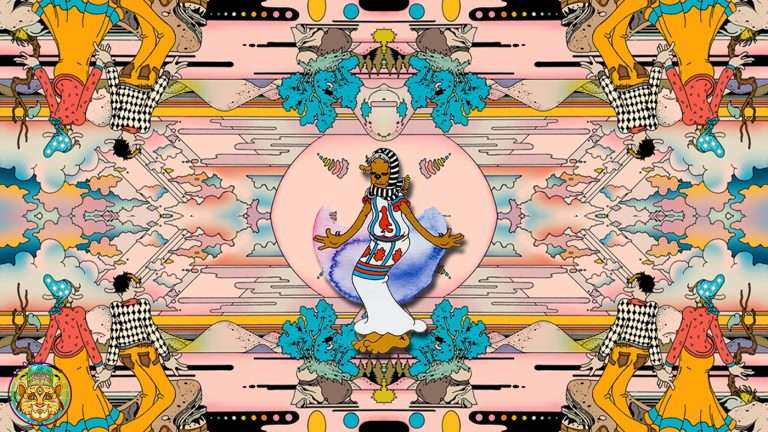
Brian Blomerth joins ATTMind to discuss his two psychedelic history graphic novels Mycelium Wassoni and Bicycle Day.

Dr. Darcia Narvaez joins us on Adventures Through The Mind to explore how early life experiences shape our morality and culture in adulthood and the kind of early life that leads to human thriving—what she calls The Evolved Nest.
Check Out The ATTMind Clips Youtube Playlist for short clips of various episodes

Dr. Rosalind Watts joins us on the show to help breakdown and better understand the nuances of the psilocybin for depression trials she leads at Imperial College London, and the new trials she is currently leading.

David Krantz and I talk about how our unique genetics influence our metabolism of cannabis (nutrigenomics) and the resulting impact of cannabis use on our epigenetic health. Furthermore, we reach into a discussion on how the same framework of understanding applies to our metabolism of psychedelics and the potential future of a genome-specific screening program for psychedelic-assisted psychotherapy.

Hamilton Souther joins us on the podcast to talks about what it takes to become a true shaman, the medicine of the plants, and what the new age culture gets wrong about ayahuasca.

Amanda Siebert and I sit down to talk about what the science says about the pharmacology of the plant’s various components as well as the anecdotal uses of cannabis for bettering different areas of our lives, from sex to death. Of course, we also talk about the negatives, from cannabis addiction to cannabis hyperemesis syndrome.

R. Coleman takes us through the wealth of knowledge he has earned over his 30 years of healing trauma with psychedelic psychotherapy. We discuss trauma in general, the value of psychedelic to heal it, and the nuances of working with different psychedelics, for different people, at different times, for different issues.

Important Update

I was quasi-invited to speak (I was invited by a program curator, but wasn’t an officially invited speaker) there this year. I decided I would try and harvest the opportunity to be amongst so many luminaries in the psychedelic field by catching as many short interviews as I could in my time there. I got 11.

Adam Strauss is on the show to dive into how psychedelic medicine helped him overcome debilitating Obsessive Compulsive Disorder

Stephen Jenkinson joins us to discuss arguments against psilocybin for the dying, death as a god, the failures of hope, the cowardice of misanthropy, and the dangers of being arrogant when facing the divine.

We welcome Maria Papaspyrou to the show to discuss what Jungian Psychology has to say psychedelics in general and psychedelic integration in particular.

This post contains a discussion on suicide, psychosis, and abuse of power. It might be best to look at it at another time if you are not in the headspace to explore those topics right now.

Shane Mauss is on the show to talk about the context that led up to his drug-induced psychosis, his time in a psychiatric institution, and why he still sees psychedelics as valuable tools for mental wellness in general, but comedy culture in particular.